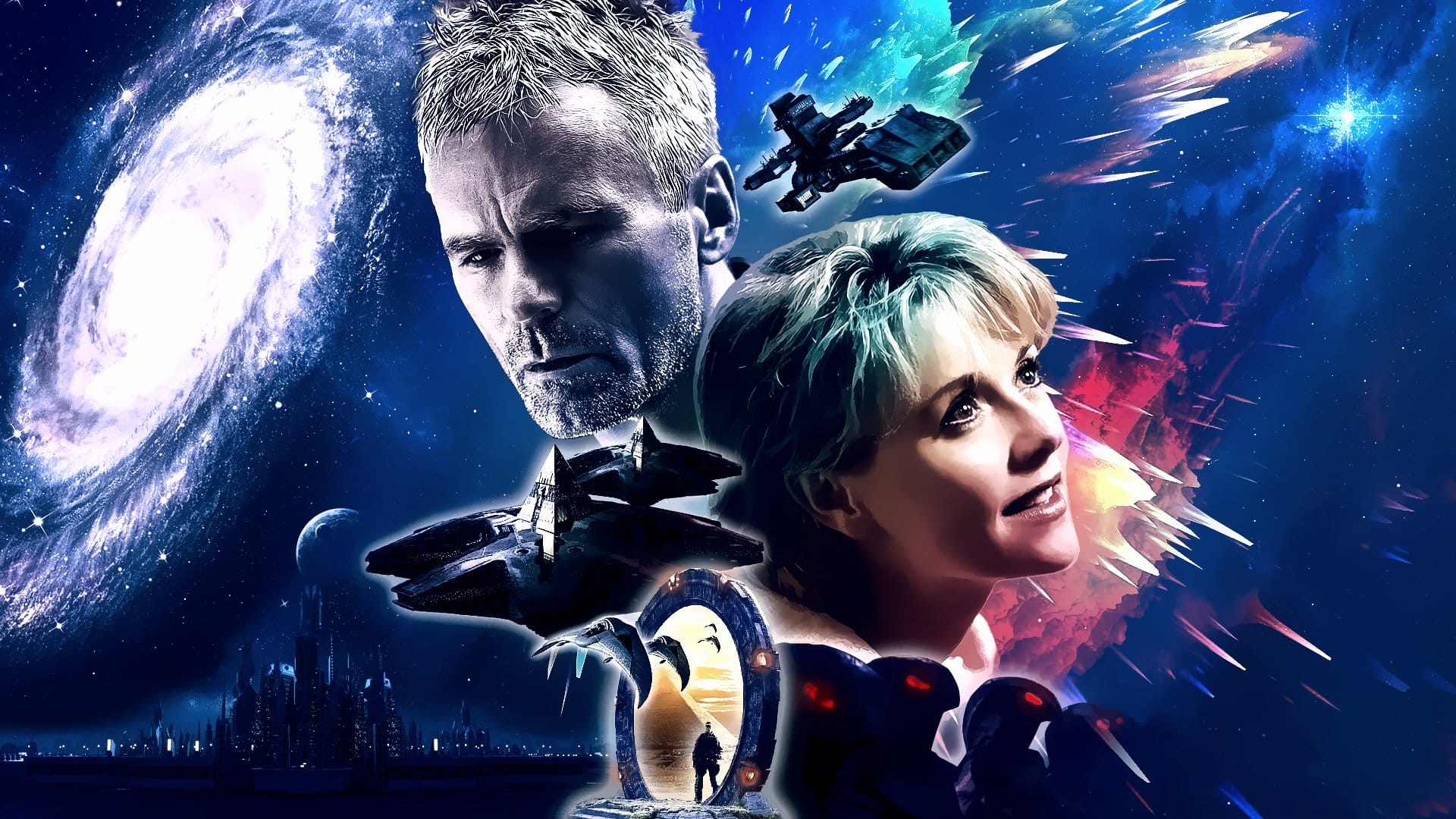
Why Stargate SG-1 Still Works: The Sci-Fi Formula That Made It a Classic
A nostalgic look at why Stargate SG-1 became such a beloved sci-fi series, from its unforgettable team chemistry and humor to its mythology, optimism, and lasting sense of adventure.

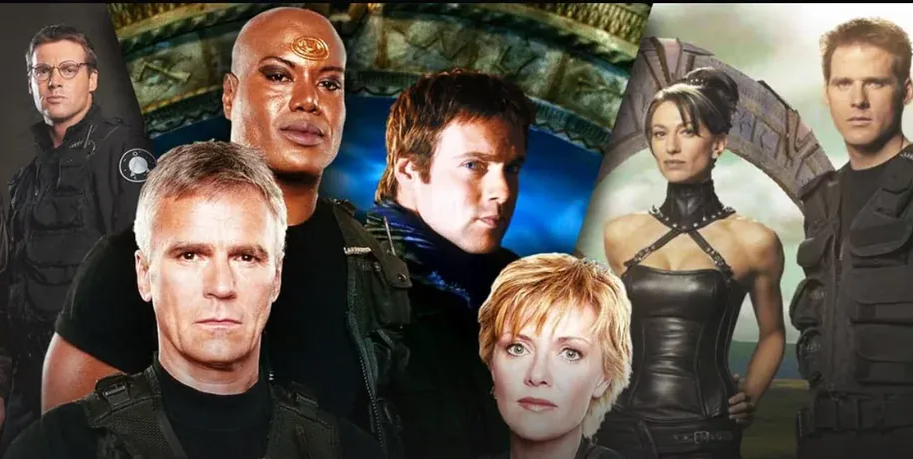
I've mentioned it before, but I started my paternity leave (shout out to Wally, my now 6 month old!!) at the end of February 2026. During that time, my son was still a bit of a potato, not able to be left in his activity table or on his play mat for extended periods, and as such had to be on my hip every day. And nowhere was this more troublesome than when it came to getting his naps in.
My lovely wife had trained him to expect contact napping, meaning me stuck on the couch for an extended period unable to do anything other than play Pokémon LeafGreen on my Switch and watch tv. And of course, I couldn't just watch something like Invincible or Yu-Yu-Hakusho, as they have too many flashing lights and are incredibly overstimulating for one so young. But what to watch then? Something that was visually understimulating, not too loud, and that I could watch without missing large chunks of plot relevance. So what did I choose...?
Why Stargate SG-1 Still Feels Special
Some shows are remembered because they were groundbreaking. Others because they arrived at just the right cultural moment. Stargate SG-1 has a little of both going for it, but its real magic comes from something harder to manufacture: it is simply an incredibly inviting show.
It welcomes viewers in.
Whether you watched during its original run, found it later through reruns or streaming (like myself, watching on Syfy), or have only heard longtime fans insist that “yes, it really is that good,”Stargate SG-1 has a quality that makes people stick around. It is adventurous without being exhausting, thoughtful without becoming self-important, funny without undercutting its own stakes, and emotional without constantly begging for tears.
That balance is a huge part of why the series became such a success.
SG-1 understood that great science fiction is not only about strange worlds, advanced technology, and cosmic threats. It is also about the people standing in front of those things, trying to make sense of them together. The show gave audiences a team they wanted to spend time with, a premise that could support almost any kind of story, and a universe that kept opening wider without losing its human center.
SG-1 still works because it fused exploration, humor, mythology, character growth, and old-fashioned storytelling instincts into a formula that remains remarkably effective. It knew exactly what kind of show it wanted to be, and it committed to that identity with confidence.
The Stargate Was the Perfect Story Engine
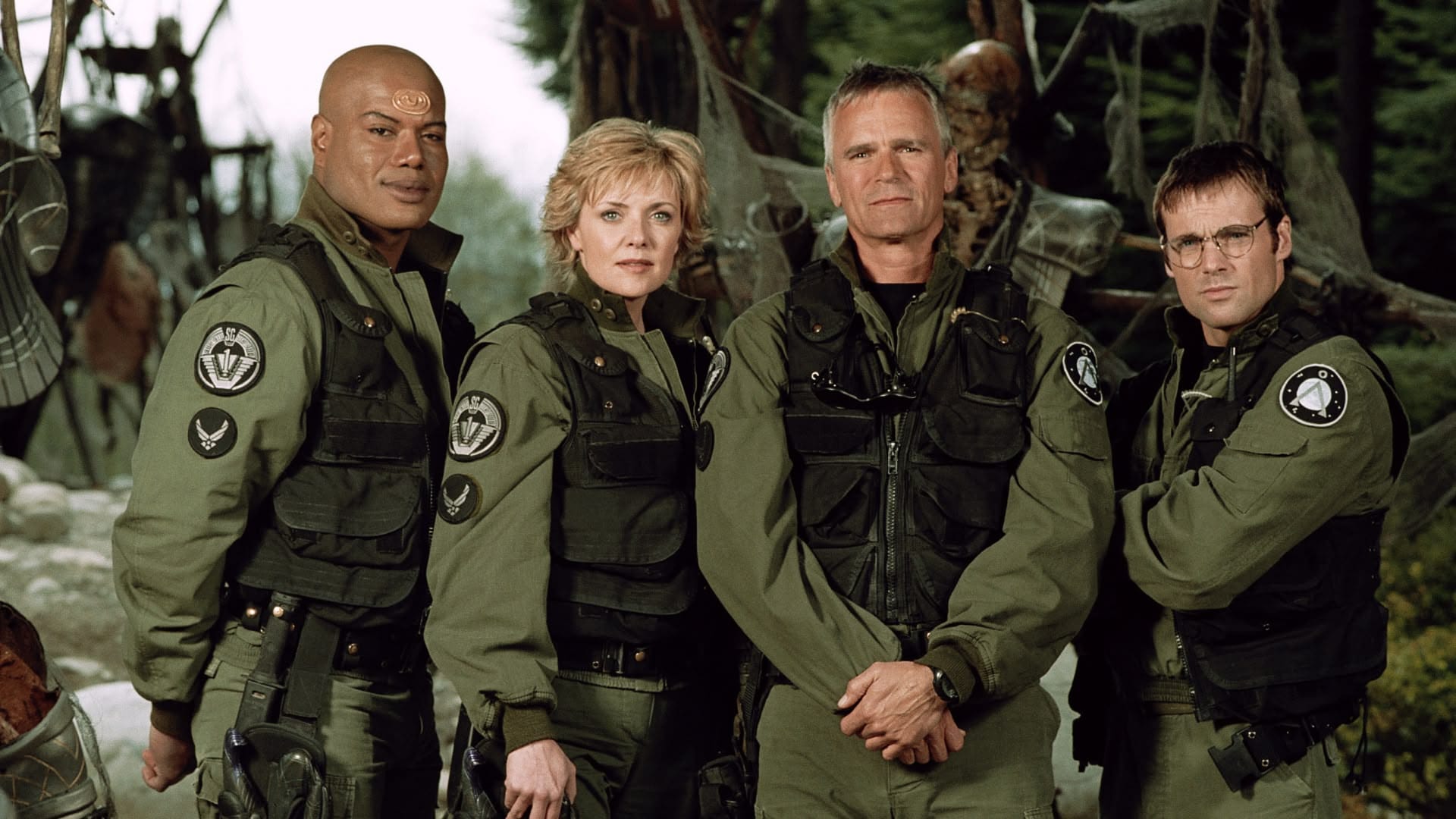
One of the smartest things about Stargate SG-1 is that its central premise is both wonderfully simple and endlessly flexible. Imagine that there is a device. It opens a doorway to another world. A team steps through it. Adventure begins.
That basic setup gave the writers a tremendous amount of freedom. One week, SG-1 could encounter a lost human civilization. The next, they could run into a moral dilemma, a military standoff, a strange technological puzzle, or a full-blown mythological threat. The series could be action-heavy, comedic, tragic, philosophical, or all of the above, and the premise still held together.
That flexibility mattered. It kept the show from feeling trapped inside one repeating formula, even though by nature it was formulaic. The gate opened, the team explored, something went wrong, and the story unfolded. Yet because every new location could come with its own rules, culture, danger, or mystery, the structure rarely felt stale.
It also gave SG-1 a highly approachable rhythm. Viewers did not need a graduate degree just to understand the lore of a single episode. Instead, the show could bring in casual audiences with a self-contained mission while still offering deeper rewards to fans who followed the larger mythology. That combination is not easy to pull off, butSG-1 made it look natural.
Familiar Foundations, Expanding Scope
Another reason the series worked so well is that it began with something familiar, then steadily grew beyond it.
SG1 expanded on the world introduced in the Stargate film, but it did not remain locked in its shadow. Instead, it took the central idea and asked a bigger question: what happens after humanity realizes the universe is suddenly open for business? From there, SG-1 expanded at a measured pace. It introduced recurring enemies, ancient histories, alien alliances, military politics, interstellar civilizations, and long-running power struggles. Yet it rarely dumped all of that on the audience at once. The world built outward over time, season by season, encounter by encounter.
That gradual expansion made the universe feel earned. Viewers were not merely told that the galaxy was vast and complicated. They discovered it alongside the team. In doing so, the show made the audience feel like participants in the journey rather than observers being lectured about lore.
The SG-1 Team Was the Heart of the Show
A strong concept may get people through the door, but characters are what make them stay. Stargate SG-1 understood this extremely well.
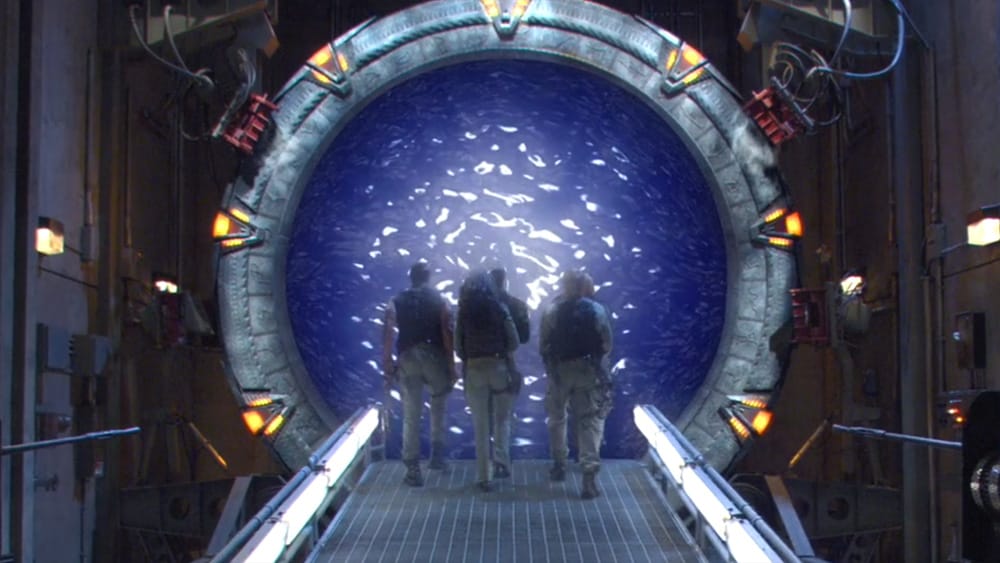
The central quartet worked because each member of the team brought something distinctive to the table, and because none of them felt interchangeable. They complemented one another in ways that made the group more compelling than any single character would have been alone.
Jack O’Neill and the Power of Humor
Jack O’Neill gave the series much of its personality. He was a capable military leader, but he was also skeptical, sarcastic, impatient with nonsense, and often willing to say what the audience was thinking. In a genre that can sometimes become tangled in exposition, Jack helped cut through the fog. His humor made the show more relaxed and more human.
Importantly, he was not comic relief in the shallow sense. His jokes did not erase his competence. They sat alongside it. Jack could make light of absurd circumstances and then instantly switch into leadership mode when the situation demanded it. That range gave the character staying power. He also helped prevent SG-1 from becoming too solemn. The show dealt with slavery, war, genocide, belief systems, and the misuse of power. Without Jack’s irreverence, that material could have grown oppressive. His wit did not trivialize the darkness. It gave the audience breathing room.
Putting it simply, Jack was the one who would ask questions first, then shoot, and then ask more questions because he didn't get it the first time.
Samantha Carter as Intelligence, Competence, and Warmth
Samantha Carter was vital to the show’s credibility. She was often the person who could make the impossible understandable. Whether the problem involved astrophysics, alien technology, wormholes, or a rapidly collapsing situation, Carter helped turn chaos into something solvable. Her intelligence was never treated as a gimmick. It was simply part of who she was.
What made her especially memorable, though, was that competence did not come at the cost of personality. She was warm, funny, loyal, and emotionally invested in the team. She could challenge Jack, support Daniel, understand Teal’c, and still stand fully on her own. Carter gave the show a grounded sense of optimism. She believed problems could be solved. She believed knowledge mattered. She embodied one of the series’ most appealing ideas: that curiosity and courage are not opposites, but partners.
She was also brilliantly portrayed by Amanda Tapping. It was like you could almost believe she was the massive nerd that she was playing!
Daniel Jackson and the Curiosity That Drove the Story
Daniel Jackson brought the wonder. He was the bridge between ancient cultures, modern humanity, and whatever strange society the team encountered next. While others often focused on strategic threats or technical puzzles, Daniel asked questions about language, belief, memory, and meaning. He pushed the group to look beyond immediate assumptions.
That made him essential.
Without Daniel, many episodes would have been simpler but also thinner. He complicated situations in the best way, reminding viewers that not every conflict can be solved with firepower and that not every unfamiliar culture should be viewed through suspicion. He often served as the conscience of the series, even when that conscience was inconvenient. His appeal also came from how deeply invested he was. Daniel was not detached. He cared intensely, sometimes painfully. That emotional vulnerability gave the show an extra layer of heart.
Personally, Daniel wasn't my favorite until after he left post-ascension storyline. Once he started back as a recurring guest, he suddenly became a more interesting version of himself and I love it for him.
Teal’c and the Strength of Quiet Character Growth
Teal’c may be one of the best examples of understated character evolution in televised science fiction. He began as a warrior shaped by a brutal system. Over time, he became a trusted friend, a rebel, a symbol of liberation, and an anchor of moral seriousness within the team. His journey was one of the show’s strongest long-term arcs because it unfolded through patience rather than spectacle.
Teal’c rarely needed to dominate a scene to command attention. His stillness, restraint, and measured way of speaking gave him a presence unlike anyone else in the cast. When he offered dry humor, it landed. When he showed vulnerability, it mattered. His storyline also tied personal growth to larger political and cultural change. Through Teal’c, SG-1 explored faith, indoctrination, loyalty, freedom, and the enormous difficulty of breaking away from systems that define entire lives. That made him both a beloved character and one of the show’s strongest thematic pillars.
Chris Judge would go on to be the new voice of Kratos in the Dad of War games, and honestly it was the best choice in casting.
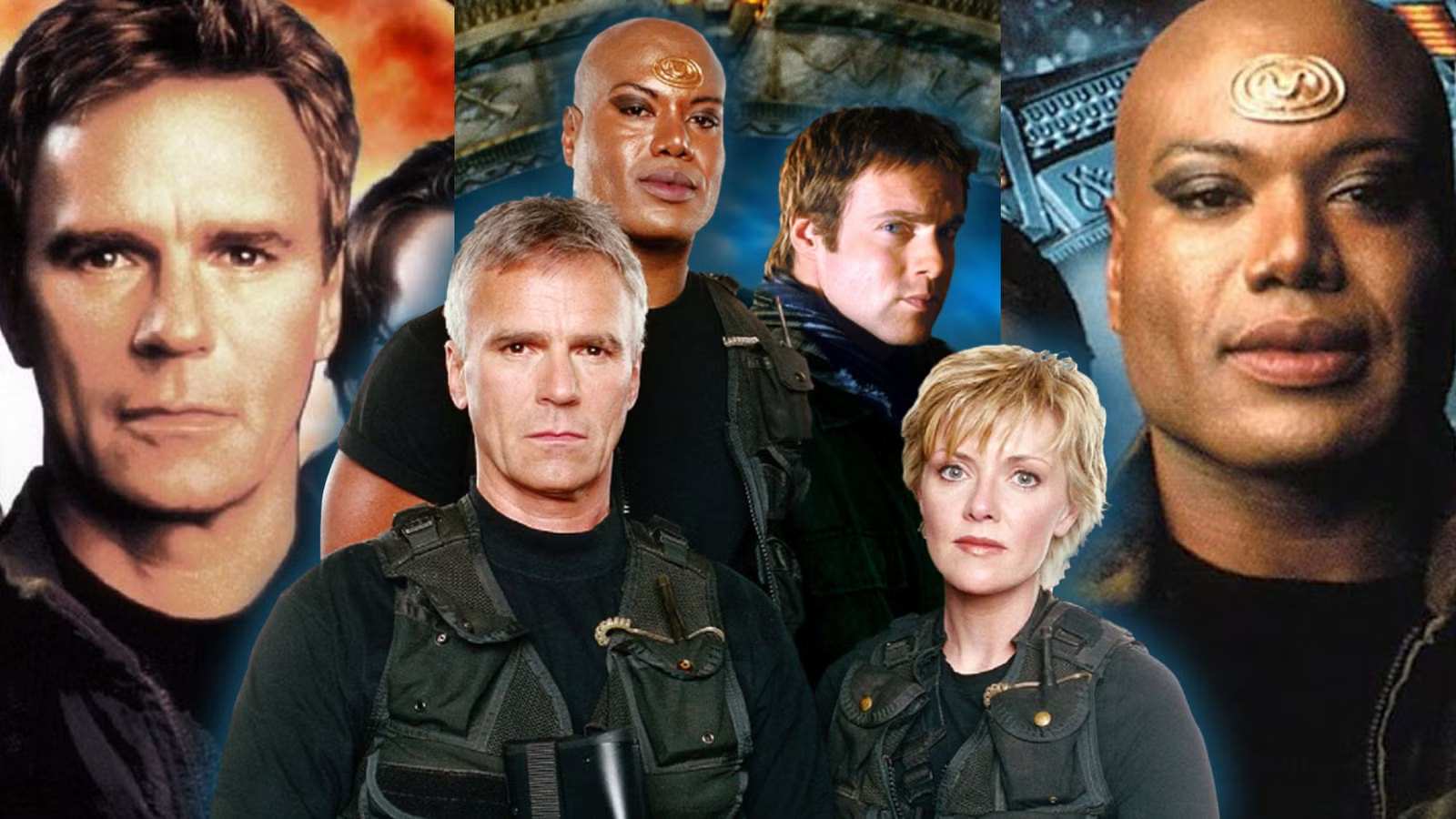
Chemistry Made the World Feel Real
A Team That Felt Like a Family
Plenty of sci-fi series assemble teams. Far fewer make those teams feel like people who genuinely know one another.
That is where Stargate SG-1 excelled.
The banter between team members mattered. The eye rolls mattered. The moments of concern, teasing, frustration, and unspoken trust mattered. These details created the impression that SG-1 existed beyond the boundaries of each episode. They felt like coworkers who had become family through years of impossible experiences.
This chemistry softened the edges of the show’s bigger ideas. Viewers might have tuned in for alien encounters or off-world missions, but they stayed because spending time with the team was enjoyable. The series understood that comfort viewing is powerful. Fans did not just want to know what happened next in the mythology. They wanted to be back in the room with these characters.
Supporting Characters Strengthened the Ensemble
SG-1 also benefited from a memorable supporting cast. Commanders, allies, scientists, recurring guest characters, and adversaries helped make the Stargate program feel like a functioning ecosystem rather than a backdrop for four leads. These characters added texture to the show’s military setting and emotional continuity to the larger world.
Characters like General Hammond, Bra'tac, Apophis, Anubis... some were essentially main cast, like Hammond, but that didn't take away from the sheer joy I would feel when he or Apophis would show up in a random episode! Especially Apophis... that guy sucked.
When familiar faces returned, the universe felt more lived-in. That continuity gave the series weight. It suggested that actions had consequences, relationships carried forward, and past missions left traces behind. A lesser show might have treated recurring characters as plot devices. SG-1 often made them feel like part of the extended family, even when they were not always at the center of the story.
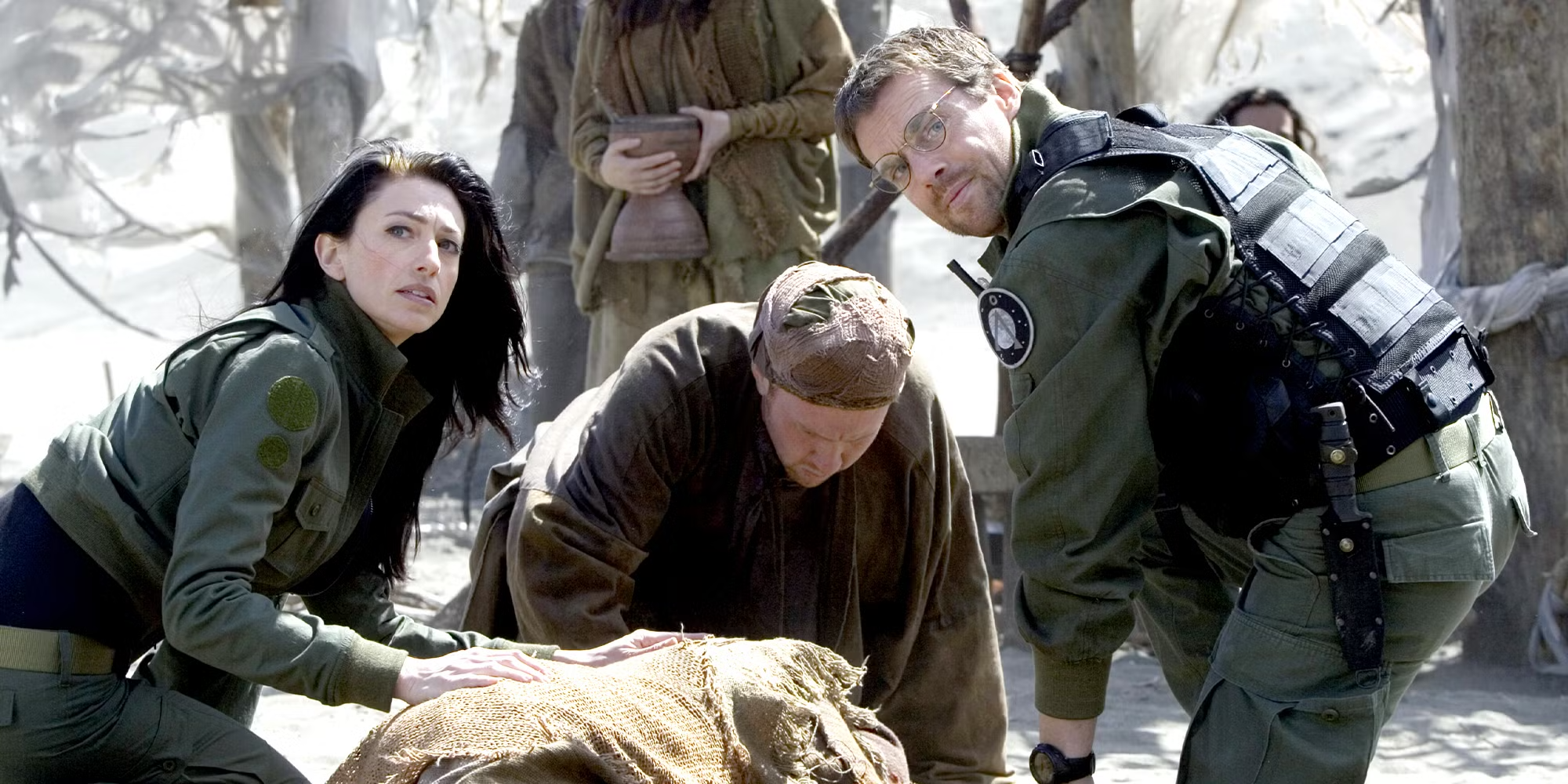
The Show Balanced Episodic Fun With Long-Term Payoff
Standalone Adventures That Still Matter
One of the biggest strengths of SG-1 was its ability to deliver satisfying individual episodes. A newcomer could sit down with a random chunk of episodes and find something enjoyable: a strange planet, a moral puzzle, a diplomatic misunderstanding, a clever sci-fi hook, or a character-focused conflict. These stories gave the show variety and helped it remain accessible.
That episodic quality also makes SG-1 particularly rewatchable. Fans can revisit a favorite type of story depending on their mood. Want a funny episode? There are plenty. Want a tense mission? The show has those too. Want something centered on mythology or character growth? Again, there is a deep bench.
This flexibility is one reason the series remains easy to recommend. It asks for attention, but it does not always demand homework.
Mythology That Grew Over Time
At the same time, SG-1 rewarded loyalty. The more viewers watched, the more they saw layers accumulating. Enemies developed. Alliances shifted. Technologies advanced. Jaffa, Kree! Earlier discoveries became crucial later. Emotional wounds were revisited. Character relationships evolved.
The result was a show with both breadth and depth. It could provide a satisfying weekly adventure while also building toward bigger questions about Earth’s role in the galaxy, the consequences of interference, and the cost of freedom.
That kind of long-form payoff made the series feel richer than a strictly procedural format. Fans had reason to invest, speculate, and care about where the story was headed, even as they enjoyed the ride one episode at a time.
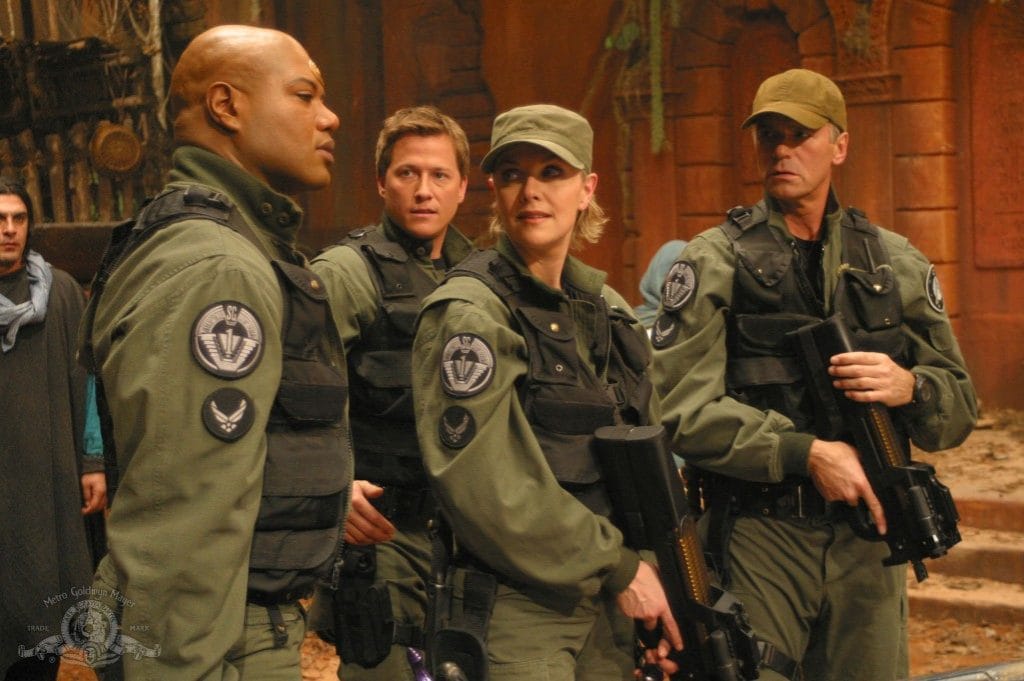
Villains, Mythology, and a Universe With Identity
The Goa’uld Were Perfectly Memorable Antagonists
A good adventure series needs villains with presence, and Stargate SG-1 delivered.
The Goa’uld worked because they were theatrical, arrogant, and immediately understandable. They presented themselves as gods, ruled through fear, and wielded technology that reinforced their divine image. The concept was clear enough to grasp quickly, yet broad enough to support years of storytelling.
Their mythological framing gave the show a distinctive identity. SG-1 did not merely imagine generic alien tyrants. It tied them to ancient symbols, rituals, and power structures recognizable from human history, then reframed those elements through science fiction. That blend helped the series stand out.
The Goa’uld also created a satisfying kind of villainy. They were formidable, but not unknowable. Viewers understood what they wanted: domination, worship, control. That clarity made the battles against them emotionally direct.
The Jaffa Storyline Added Emotional and Political Depth
If the Goa’uld gave SG-1 its iconic early villain structure, the Jaffa storyline gave it moral complexity.
The Jaffa were not simply henchmen. They were a people trapped inside a religious and political system designed to maintain obedience. Through Teal’c and others, the series explored what it means to question everything you have been taught, to resist inherited beliefs, and to imagine freedom when subjugation has been normalized for generations.
This thread elevated the show. It moved beyond “good team versus bad aliens” and examined how oppressive systems perpetuate themselves. It also made victory feel more meaningful. Defeating a tyrant mattered, but helping an entire people reclaim agency mattered even more.
Later Threats Helped the Series Evolve
The show runners also brilliantly chose to not focus solely on one side of a universal conflict, rather multiple sides in the ongoing battle. And as the series continued, the universe expanded, meaning the threats did as well. The show introduced new dangers with different motivations, different scales of menace, and different demands on the heroes. This helped prevent stagnation.
That evolution showed confidence. The series was willing to shift gears without abandoning its foundation. It recognized that long-running stories need momentum and surprise, but also consistency. The best later additions did not replace what made SG-1 work. They broadened the canvas.
Humor Was Not a Side Dish, It Was Part of the Recipe
Stargate SG-1 Was Comfortable Being Fun
There is something deeply refreshing about a science fiction series that is not embarrassed to have a sense of humor. SG-1 could be serious, but it never felt allergic to fun. It knew that absurdity naturally exists in a world where soldiers and scientists walk through a giant portal to another planet every week. Rather than pretend the premise was never strange, the show sometimes winked at it.
That humor became a signature. Dry remarks, awkward diplomatic moments, sly self-awareness, and character-driven jokes all gave the series a lively tone. The humor also made the characters more believable. Real people joke under pressure. Real colleagues develop shorthand. Real teams break tension with laughter.
This helped create affection in that viewers did not merely admire SG-1. They enjoyed them.
Comedy Deepened Character Rather Than Undercutting Stakes
The key is that SG-1 usually used comedy in service of character, not in place of story. Jack’s sarcasm showed how he coped. Teal’c’s occasional deadpan line revealed an evolving comfort with the team. Daniel’s exasperation and Carter’s reactions strengthened the sense of long-term familiarity. Humor made relationships feel textured.
At the same time, the show rarely forgot when the stakes were real. It could pivot from laughter to urgency because the characters themselves took danger seriously. That balance kept the series emotionally trustworthy. Some genre stories swing too far toward grimness. Others flatten tension with constant jokes. SG-1 found a middle path that remains one of its most appealing qualities.
Optimism and Humanity Gave the Series Staying Power
A Sci-Fi Show That Believed Cooperation Still Mattered
Underneath all the wormholes, battles, and alien intrigue, Stargate SG-1 is a show that believes people can do better. It believes in cooperation. It believes in loyalty. It believes in learning from others, even when that learning is complicated or uncomfortable. It believes that power should be questioned and that freedom is worth defending.
That optimistic streak gave the series an emotional warmth that continues to resonate. The show did not portray humanity as perfect. Far from it. The Stargate program makes mistakes, leaders disagree, and good intentions sometimes produce bad consequences. But the series still leans toward the idea that decency, courage, and curiosity matter.
That is a large part of why it remains comforting rather than quaint.
Big Ideas Grounded in Human Choices
The most effective SG-1 episodes often took very large themes and filtered them through personal decisions.
What do you do when your culture’s beliefs are challenged? What responsibilities come with superior technology? When does intervention become harm? How much should duty cost? Can people change after a lifetime of indoctrination? What makes a leader worthy of trust?
These are not small questions. Yet the show usually approached them through specific characters under pressure, rather than through abstract speeches. That kept the storytelling immediate. The series earned its philosophical moments because it anchored them in relationships viewers cared about. Its best moral dilemmas landed precisely because the audience understood what those choices meant for Jack, Carter, Daniel, Teal’c, and the people they encountered.
Accessibility Made It Easy to Love
Welcoming to New Viewers
For anyone on the fence about starting SG-1, one of its biggest advantages is how welcoming it is. The premise is quickly understandable. The characters establish themselves clearly. The early episodes build the world in digestible pieces. Even when the mythology becomes more involved, the emotional stakes remain easy to follow.
That accessibility is not the same as simplicity. The series has plenty of lore, continuity, and layered storytelling. It simply introduces those things without making new viewers feel shut out.
In an era when some franchises can feel like homework assignments, SG-1 offers a friendlier proposition: come through the gate, spend time with this team, and the bigger picture will unfold naturally.
Rewarding for Longtime Fans
At the same time, loyal viewers are rewarded handsomely.
The show remembers itself. Relationships change. Past missions matter. Recurring themes deepen. Emotional beats gain power because the series trusts its audience to carry earlier experiences forward.
This is where SG-1 becomes especially satisfying. The longer you watch, the more its world accumulates meaning. A glance, a reference, a returning ally, or a hard-earned moment of trust can carry much more weight because of everything that came before. That balance between accessibility and payoff is one of the hardest things for a long-running series to achieve. Stargate SG-1 managed it better than most.
So. Why Does Stargate SG-1 Still Hold Up?
The Core Formula Remains Strong
When people talk about why Stargate SG-1 became a classic, they often point to individual ingredients: the team, the mythology, the humor, the villains, the sense of exploration.
But the real answer is that these pieces worked together. The show’s science fiction invited curiosity. Its characters created loyalty. Its humor made the journey fun. Its villains gave it identity. Its long-term arcs rewarded commitment. Its optimism gave it heart.
That combination has aged remarkably well because it is rooted in storytelling fundamentals. The effects, production styles, and television rhythms may reflect their time, but the reasons people connect with SG-1 remain powerful. Audiences still respond to characters with chemistry. They still enjoy worlds that feel large but navigable. They still want stories that can be thrilling without becoming joyless.
A Strong Entry Point for New Viewers
For newcomers, Stargate SG-1 remains easy to recommend because it offers so much of what people seek in adventure television.
It has a clear hook. It has characters worth loving. It has enough mythology to dig into and enough humor to keep the experience light on its feet. It can satisfy someone looking for fun standalone stories while gradually drawing them into a deeper fictional universe.
And for longtime fans, revisiting the show can feel like returning to a favorite place. Not because every episode is flawless, and not because nostalgia smooths over every rough edge, but because the series still delivers the feeling that made it matter in the first place: a sense that stepping through the gate could lead anywhere, and that you would want this particular team beside you when it did.
Final Thoughts: The Magic Was in the Balance
Stargate SG-1 endured because it mastered balance. It was smart, but not smug. Funny, but not flippant. Epic, but still personal. Familiar in its storytelling rhythms, yet expansive in imagination. It gave viewers a universe to explore and a team to care about, and it trusted that both would matter.
That trust paid off.
The magic of Stargate SG-1 was never just the Stargate itself. It was what the gate allowed the show to reveal: courage, loyalty, discovery, resilience, and the idea that curiosity is still one of humanity’s greatest strengths.
That is why the series still works. That is why fans keep coming back. And that is why, for anyone still wondering whether to begin the journey, the best answer may be the simplest one:
Step through the gate. There is a lot worth discovering on the other side.