Retro Gaming, and Why it Still Hits Hard in 2026
Retro gaming is still thriving in 2026 thanks to nostalgia, clearer game design, better accessibility, indie revival, and cultural rediscovery. Here’s why classic games still matter.

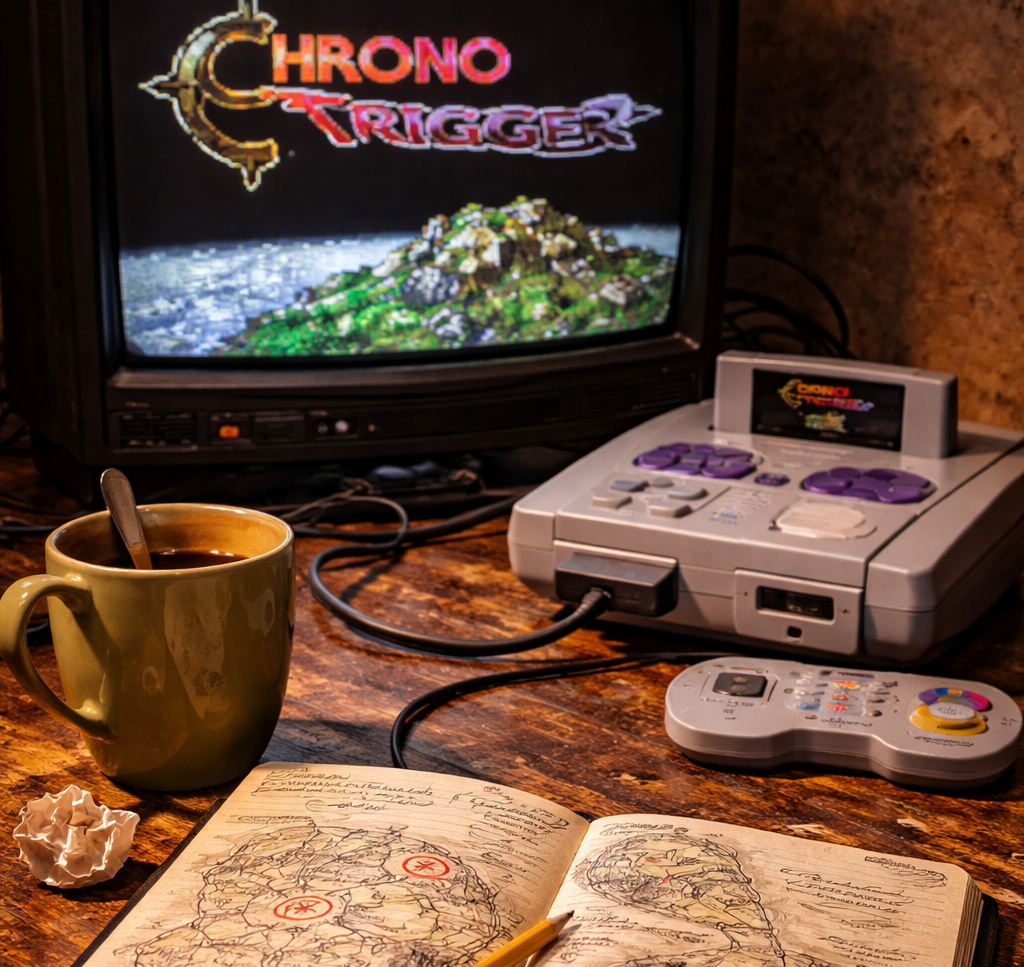
Retro gaming was supposed to be one of those things we eventually “moved past, like wired controllers, memory cards, and blowing into cartridges... even though we all know that was actually bad for our games now.
And then suddenly it's 2026, and retro gaming is not just hanging on through sheer force of will - it’s thriving! In an industry where every new game release seems dead set on becoming your second job, there is something almost rebellious about firing up an older game that knows exactly what it is without asking you to invest all your available free time in mastering the art of dodging frame-perfect.
For me, and hundreds of others, that's why retro gaming still hits so hard.
Yes, nostalgia is part of it obviously. I’m not about to pretend the sound of the Playstation startup screen doesn’t tickle something ancient in my brain. A lot of us have a direct emotional pipeline from one specific soundtrack to one specific couch cushion from 1999. Hell I have vivid memories of playing Pokémon Yellow while watching Donny Osmond in Joseph and the Amazing Technicolor Dream Coat, but nostalgia alone is not enough to explain why retro games are still connecting with people in 2026.
Retro games still matter because they offer clarity, personality, accessibility, and a direct connection to gaming history that still feels alive. But what makes that a reality...?
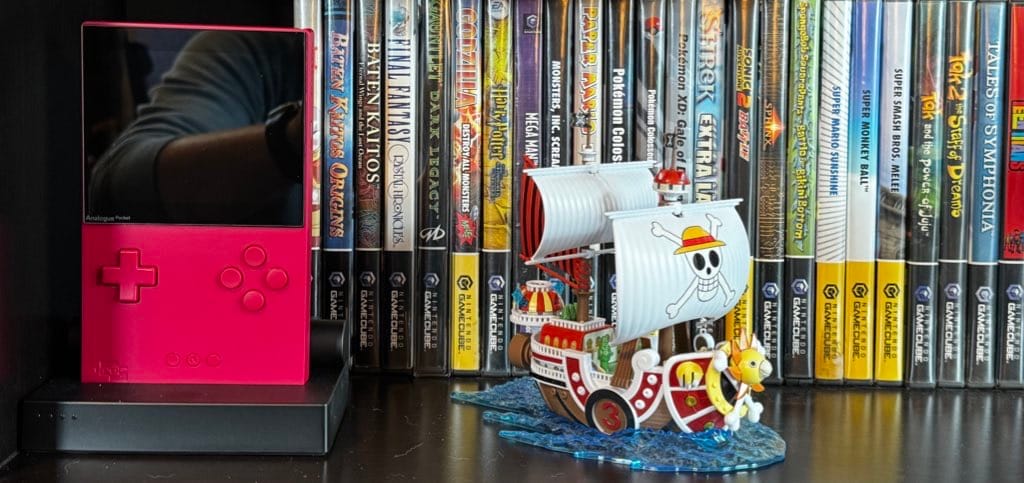
The Scene of Retro Gaming in 2026
Let's set the scene. Retro gaming is as popular as it is in 2026 because classic games deliver something a lot of modern games struggle to consistently provide: focus.
A great game knows its hook, communicates it effectively, and trusts you to meet it halfway. It does not need ten hours of onboarding sludge, five different currencies, and a menu system that looks like it was built by a tax consultant under duress. It hands you the controller, shows you the objective, and gets out of the way.
It's a design confidence that still feels fantastic.
In a gaming landscape where so many titles chase scale, endless progression, and constant engagement, retro games can feel refreshingly direct. That broader appeal also lines up with Retromash’s argument that retro gaming continues to attract both nostalgic older players and younger first-time audiences.
Nostalgia in Retro Gaming Matters, but It Is Not the Whole Story
Nostalgia is a powerful tool; it's a major force behind the retro gaming genre's continued appeal.
But if nostalgia were the only thing keeping retro gaming alive, things would have collapsed into a small collector singularity years ago. Instead, retro gaming somehow keeps pulling in new players.
That only happens when the games themselves still have something real to offer. Some of the retro titles are still compelling because they were built on strong ideas. Their mechanics still work. Their pacing still works. Their art direction still works. Their identity still works.
Think about it this way: nostalgia gets people through the door, but timeless design is what keeps them in the room.
Check out my Retrospectives and other videos!
Retro Game Design Feels Clearer Than Modern Games and I'm NOT Sorry About It
So let's just get this out in the open - retro games feel easy to comprehend. You understand the objective faster, the mechanics faster, failure faster too. And sure that failure is occasionally humiliating, but at least it is honest.
And that same clarity matters now more than ever. These older titles were built around one central idea and then refined until it sang. Look at the evolution of the Mario games. Starting with the first actual Mario game and comparing it to Super Mario World on the SNES, the jumping feels good, exploring alternate paths is rewarding, and the game communicates its identity simply and effectively. It's not trying to become your forever game. It is trying to be memorable.
Games like Mega Man X, Super Metroid, Chrono Trigger, or Castlevania: Symphony of the Night still land because they don't spend six hours explaining how to punch. They give you confidence, and trust you to get to work.
Were all retro games perfect? Absolutely not. Some were brutally difficult, weirdly cryptic, or designed by someone who seemed to think balance was a rumor. Shoutout to Majulaar for showing me how insane the Kingsfield series was... But even then, the best of them had an identity that sticks with you even after the game is done.
Retro Games Are More Accessible in 2026
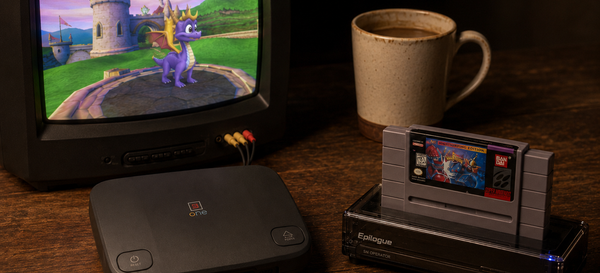
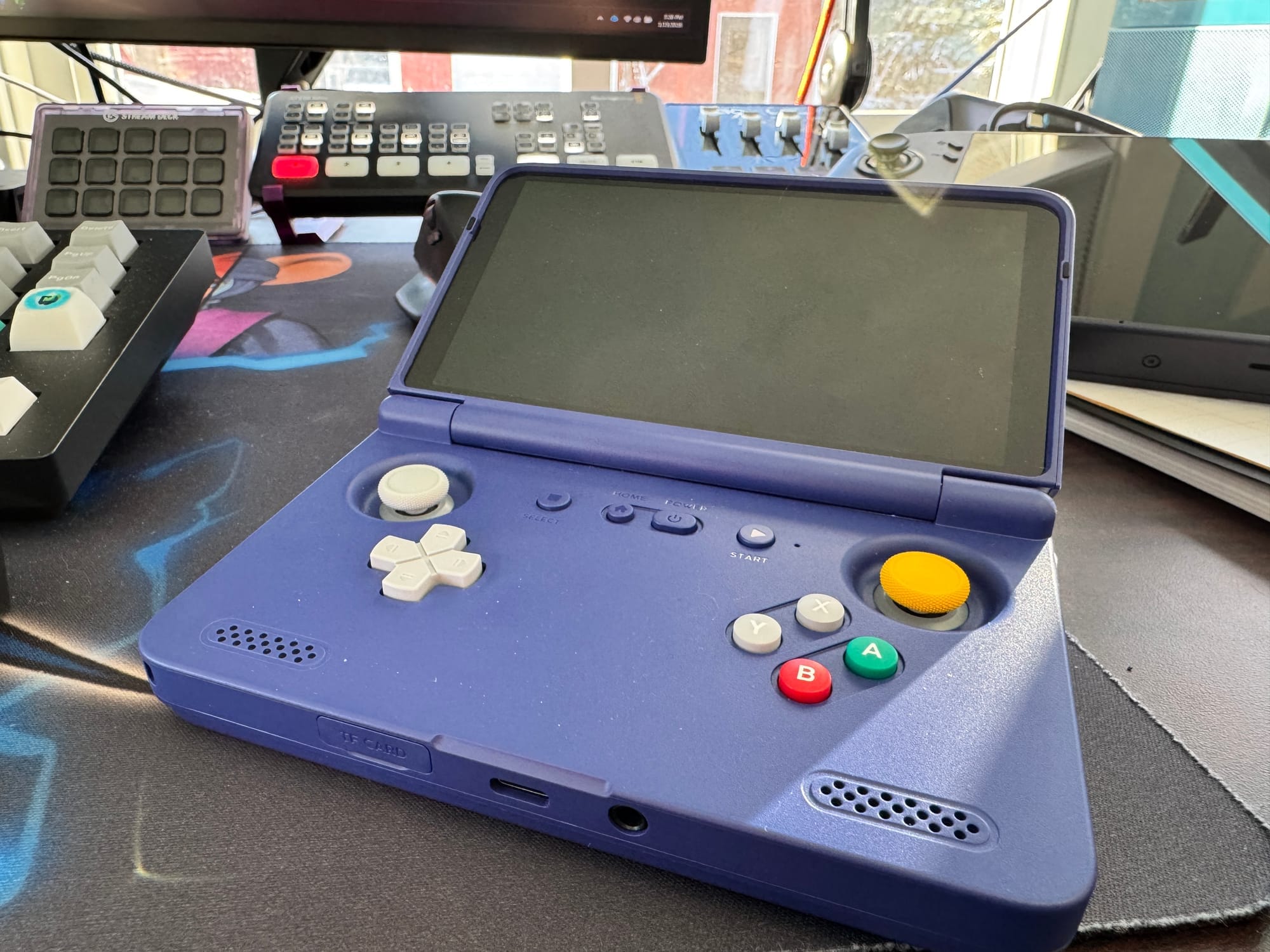
Accessibility for retro titles has also increased in recent years as well. With companies like Ayaneo and Retroid creating what are essentially emulation machines, emulators like RetroArch, and preservation/FPGA devices like the Analogue Pocket being readily available on a mass market scale, your options are at least more than one! And that in itself is a massive shift.
I talked about this a little bit in my first blog post, but for me personally I DO enjoy having my collection of physical games I can play on actual hardware, but I ALSO enjoy having my Retroid Pocket to emulate games that might be a bit too expensive to pick up physically. Like Pokémon HeartGold and SoulSilver.
That shit is criminally expensive.
When I started collecting "for reals" back in 2020, retro gaming felt like a hobby that I had to earn through inconvenience. Long trips across Ohio visiting different shops to find the least dusty piece hardware and expensive cartridges was fun, but wasn't always rewarding. Thankfully, new and old gamers alike can experience older games through things like collections, remasters, ports, preservation efforts, fan translations, and of course those emulation-friendly handhelds.
This ties wonderfully into my next point...
New, Younger Players Are Discovering Retro Gaming Culture
One of the most interesting things about retro gaming in 2026 is that it is not just being sustained by older players revisiting childhood favorites. New, younger players are diving in head first and honestly? It warms my heart!
It means retro gaming is not just a nostalgia loop; it's an ongoing cultural rediscovery. That same Retromash article from above makes a great observation; younger gamers being exposed to these games through streaming and online communities that help bridge these older and newer audiences.
And that is a big deal.
Games like Golden Sun don't stay relevant for decades just because people remember it fondly. Actually wait...
They stay relevant because new players keep finding something worth caring about. Young audiences are discovering all of the wonderfully strange corners of gaming history that many of us grew up on. And if that sentence made your knees hurt, go drink water.
It's great because this keeps things from becoming a museum exhibit and turns them into a living, breathing conversation.
The Aesthetic Feel Timeless, Not Outdated
Pixel art, low-poly models, sprite animation, and chiptune-inspired music used to be framed as old limitations. Now they read as artistic choices. And honestly, it's about time.
Games like Shovel Knight and Deedlit in Wonder Labyrinth that utilize retro pixel-art visual styles in 2026 don't feel primitive, but intentional. Sharp sprites can have more personality in their 16 pixels than a hyper-detailed model whose face looks like a taxidermy cat. A low-poly PSX horror game can be more unsettling than something photorealistic because abstraction gives your imagination room to do the heavy lifting.
That's why the retro aesthetics still resonate. Minimalist retro-styled games and merch design as part of the current demand help to shape the current gaming market. Retro visuals do not just show you everything. They suggest. They imply. They let atmosphere breathe. And in an era where visual fidelity is often treated like the highest possible form of artistic worth, that restraint can feel refreshing.
Show, don't tell.
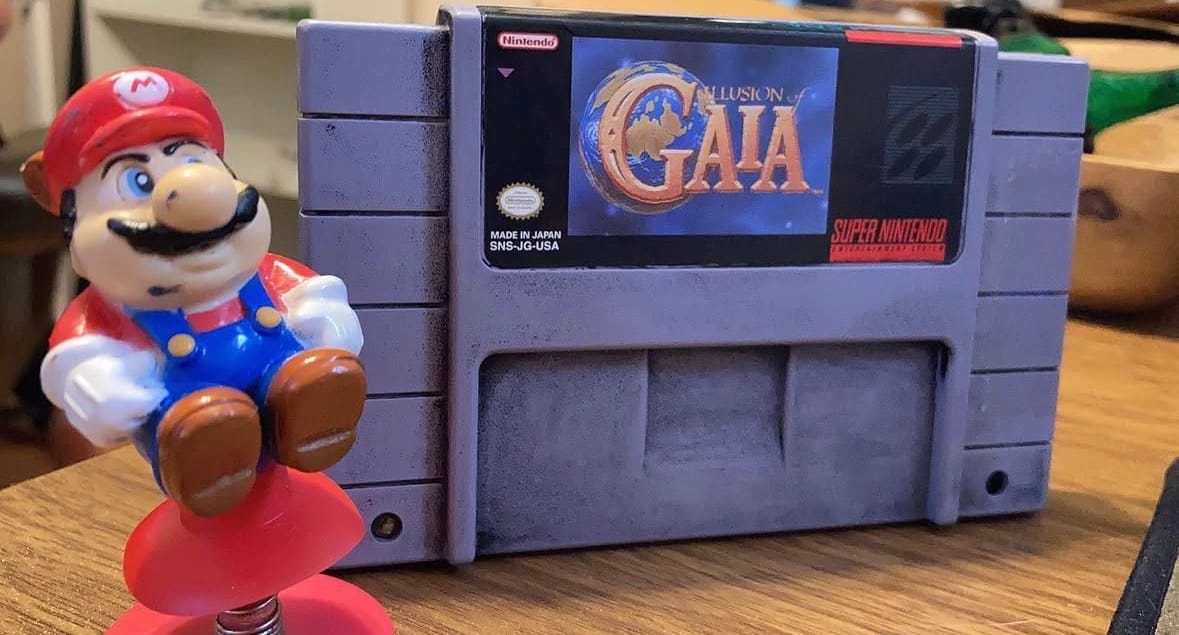
So, Why Do Retro Gaming Still Hit So Hard in 2026?
In summary, retro gaming still hits just as hard in 2026 because it gives players something they crave: memorable design, clear goals, ease of access, strong artistic identity, and a connection to gaming history that still feels alive.
Yes, nostalgia matters. But the real reason retro gaming endures is simpler than that. The best retro games are still good.
They know how to hook you quickly. They still respect your time. They still have flavor. They still have confidence. They still know how to leave a mark without making you feel like you accidentally signed up for a part-time job.
That is why retro gaming still matters. And honestly, that is why it probably always will.
Want more content like this?