Making Content “Better” Is For Me, Not Thee
Creators often chase better cameras, mics, lighting, and editing, but better production does not always mean better content. Here’s why audience experience matters more.

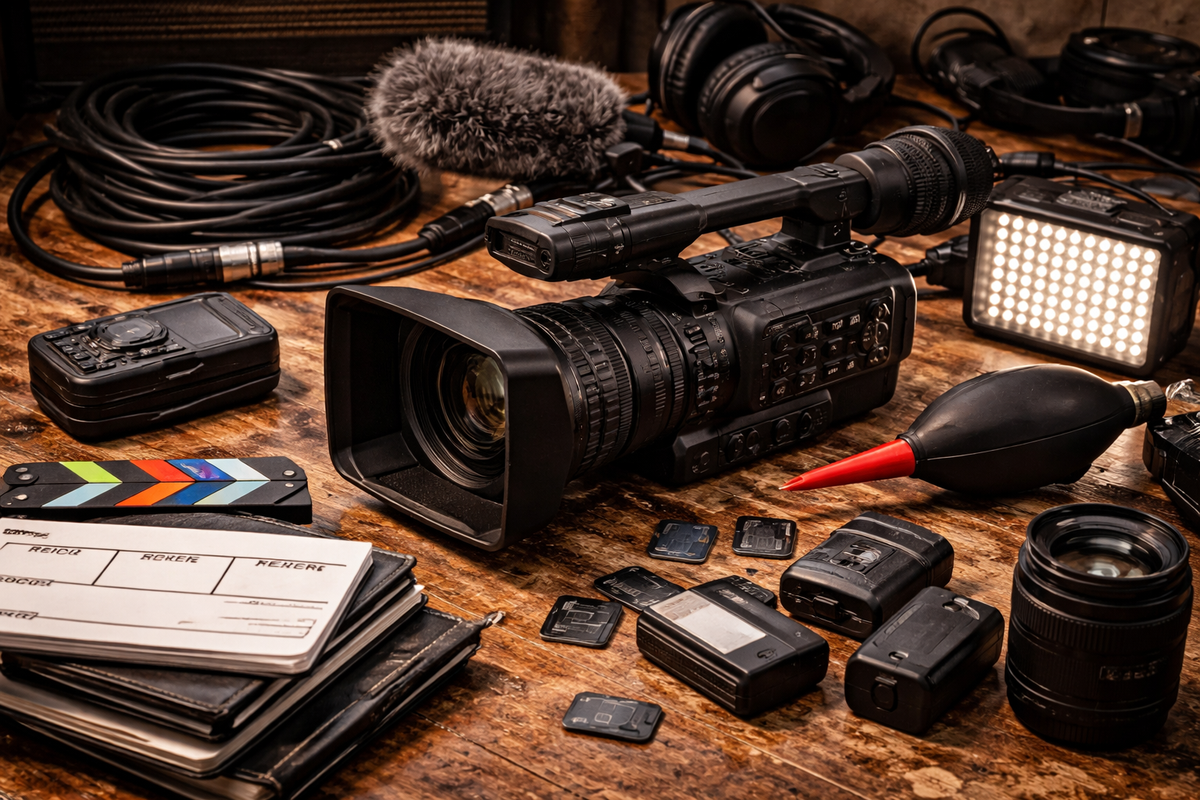
Cameras. Microphones. Lights. Lenses. Editing tricks. Motion graphics. Music beds. Frame rates. Better thumbnails. Better pacing. Better storytelling. Better packaging. If you're like me and have been making videos for long enough, eventually you’re going to get pulled into the hype of "shiny new gear".
You’ll obsess over the newest and shiniest gear, spend too much money on premade assets, learn a bunch of new techniques from a million YouTube “teachers”, and convince yourself that this next upgrade is the thing that’s finally going to make your videos good. And to a certain extent, it truly is all part of the process. If you stick with video creation as a hobby, art form, or career, you’re naturally going to want to improve and make better content. That’s just life.
But it raises a question I think a lot of creators don’t stop to ask themselves: Better for who?
As creators, we want to make the best thing we possibly can. We want to be proud of what we make. We want it to be funny, impactful, polished, memorable. Maybe we want it to impress people. Maybe we just want it to perform well and make the number go up. Maybe we want it to make money… or maybe we just want it to feel like it fully captures what was in our head.
And when a piece doesn’t hit that target, it can be hard to move on to the next project.
It's like you are leaving things unfinished, making you feel vulnerable. It can feel embarrassing on a technical and personal level, and sometimes it feels like you’re publishing a draft before it’s ready, wasting a good idea by attaching it to something that doesn’t feel polished enough. And because most people are far less likely to care about a “revised version” later, you really only get one shot.
Here’s the uncomfortable truth: The audience does not care about the individual things you did to make the video better.
And the truth hurts.
Viewers are not sitting there thinking about your choice of lens or admiring your color grading, unless they are psychos. They watch your content to get something out of the video. To laugh. To learn. To feel something. To be entertained. To connect.
That’s it.
You, a creator, wants to make art. They, a casual viewer, wants an experience. Those two things can overlap, and when they do it's a magic moment. But they are not mutually exclusive.
Viewers don't click your video because your camera costs more or that you upgraded your lighting setup. The algorithm doesn't sitting there with tears in its eyes because you finally figured out the ideal frame rate and invested in a better microphone. Your gear can absolutely unlock new possibilities, and better skills can absolutely help you execute your ideas more clearly.
Growth as an editor, writer, shooter, or storyteller matters. But none of those things are inherently valuable to the viewer on their own.
They only matter if they help deliver the thing the viewer actually came for.
That feels obvious when you say it out loud, but would you believe that I didn’t fully understand that when I started creating.
Back when I was first getting into the swing of making videos (realistically around... 2007 I think?), I thought that “good videos” came from having specific, "good" gear. I thought progression was linear: better camera + better mic+ better setup = better video. Problem solved.
Goddam was I wildly wrong. Like, not even in the same zip code.
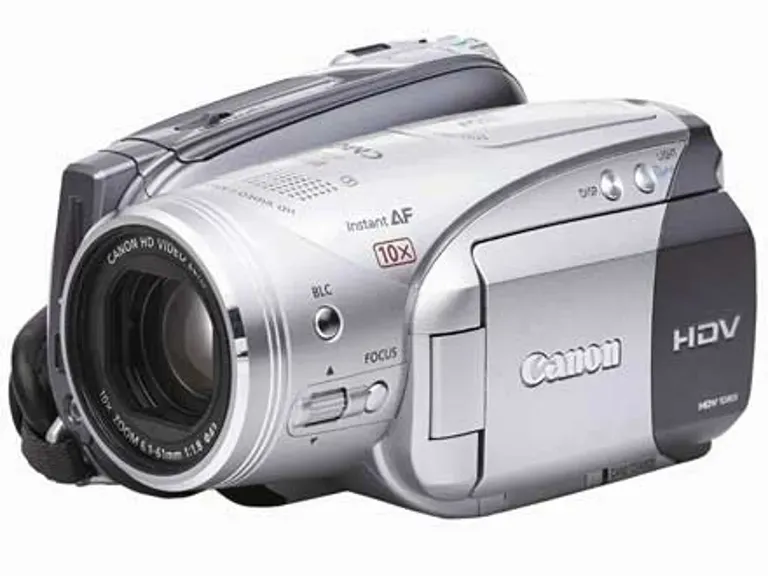
When I started my creative journey, I shot on a Canon HV20 that I picked up second-hand and used the version of iMovie that came on the family iMac. And I kept shooting on that camera until I had saved up enough to buy myself a Canon T2i and a single lens. And I thought that I was going to make the best content I could possibly make… turns out that when you can’t write a script well, your content can look good and still suck.
I think that, in every creative field, there’s still this quiet assumption baked into the work that if you put in more effort, you’ll be rewarded for it. That if you care more, spend more time, or pour more of yourself into the details, then surely people will notice.
“Work hard and reap the rewards of that hard work”.
Unfortunately, a lot of the time they don' notice. That doesn’t mean the effort is worthless; it just means the reward isn’t coming from where you think it should.
“Content is king” may be a cliché, but it's for a good reason. When you strip away the buzzword smell and the weird corporate glaze, the core of the idea still holds up - If what you’re making is compelling, clear, emotionally resonant, or entertaining, that matters more than what you created it with.
You can film something on a high-end cinema camera or on a relic from fifteen years ago. Or write a screenplay on a $5000 MacBook or a cheap Chromebook. If your idea is strong, the point is clear, and the audience resonates with it, then it did the job. The gap between “technically better” and “actually more effective” is a lot smaller than creators like to admit.
So then, where DOES the reward for all that extra effort come from? Honest answer? Most of the time, it’s intrinsic. It comes from the challenge. From you learning something new. From you getting better. From you experimenting. From you making something that feels closer to the version you imagined in your head. From chasing a standard that matters to you. From making artistic decisions that feel meaningful to you.
Your internal satisfaction is the real reward. Not that the viewer noticed your improved lighting setup. Not that someone applauded your cleaner transitions. Not that the algorithm gave you a gold star for caring. You do those things because you care. You make the video better because you want it to be better.
And honestly, I think this is incredibly important to remember because in the end it changes where the responsibility lands. If I spend all this time polishing, tweaking, refining, and stressing over something to the point where I still don’t like the result, that’s not really the audience’s problem. That’s mine.
Because that extra effort was never really for them in the first place. It was for me. It was me trying to create something I could be proud of. Something that matched what I saw in my head. Something that satisfied me creatively.
And if I’m not getting satisfaction from that process or from the end result, then I think that’s the bigger question worth asking.
Not “How do I make this even better?” But "Why am I doing this in the first place?"
Because if all the polish, effort, and refinement is meant to serve my own creative fulfillment, and I’m not actually fulfilled by it, then what am I chasing? At that point, the fancy gear starts to look a lot less like a ladder and a lot more like decoration on a treadmill.